
Social Browser Guide
Social Browser for E-commerce Teams: Safer Account Management and Workflow Control
How e-commerce teams can organize store accounts, marketplace profiles, dashboards, and operational routines in Social Browser.

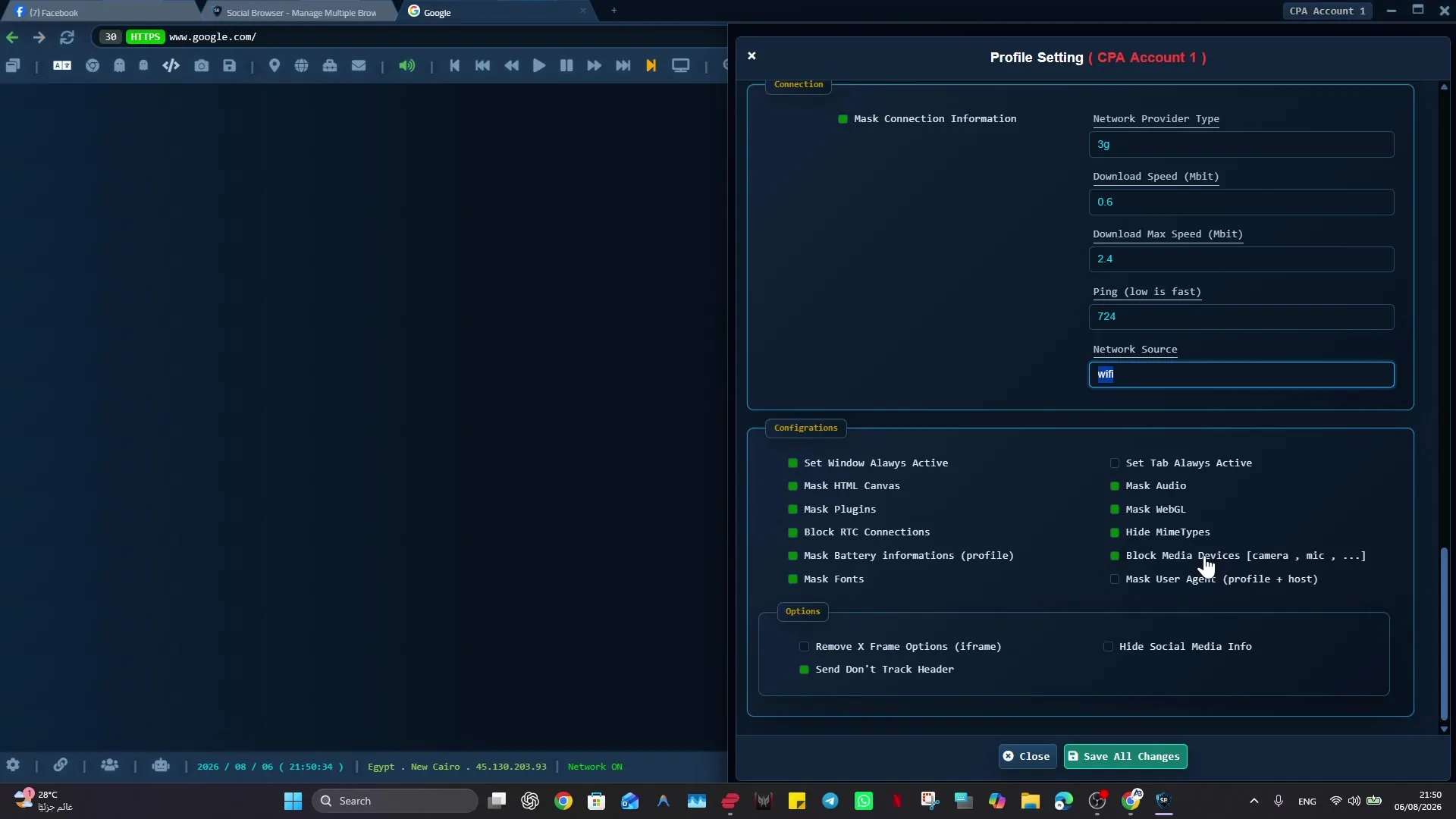
E-commerce account management and workflow control can become difficult when store dashboards, marketplace accounts, support tools, and reporting sessions can overlap in unsafe ways. E-commerce teams, marketplace operators, support agents, and store managers benefit from a browser that keeps account context, Profile purpose, and next action explicit.
A multi-profile browser gives this work a clear operating context. Social Browser connects Profiles, sessions, privacy controls, scripts, extensions, notes, and review in one place. For e-commerce account management and workflow control, it separates store and marketplace workflows into controlled profiles with repeatable setup.
E-commerce browser workflow needs
- Use dedicated profiles for every important account, campaign, role, or task.
- Keep session state, notes, and ownership close to the profile that needs them.
- Use browser automation and customization only where they have a clear purpose.
- Review profiles regularly so inactive, risky, or outdated work does not accumulate.
- Respect platform policies, privacy requirements, and local laws while improving productivity.
E-commerce Control Compared With Standard Browsing
| Area | Standard browser pattern | Social Browser pattern | Professional value |
|---|---|---|---|
| Profiles | Personal or informal | Purpose-built work units | Clearer ownership |
| Sessions | Often mixed across tasks | Separated by profile and workflow | Lower operational confusion |
| Automation | External or scattered | Connected to profile context | More reliable execution |
| Customization | Extension-first and personal | Workflow-first and reviewable | Safer browser behavior |
| Team process | Depends on memory and messages | Documented team procedures | Better collaboration |
Practical Next Step
Before expanding “Social Browser for E-commerce Teams: Safer Account Management and Workflow Control”, prove the smallest useful version: map one real client, campaign, or role to a clearly named Profile. Document its purpose and next action, then repeat the convention only after another team member can understand the handoff.
Important Limits and Safe Use
When applying “Social Browser for E-commerce Teams: Safer Account Management and Workflow Control”, keep this limit explicit: team organization should make authorization, ownership, and data handling clearer rather than spreading access more widely than necessary.
- Document who is responsible for each Profile or workflow.
- Use the minimum account access needed for the assigned role.
- Make handoffs explicit before another person continues sensitive work.
Expand “Social Browser for E-commerce Teams: Safer Account Management and Workflow Control” only after the expected result is repeatable, documented, and appropriate for the service being used.
Conclusion
The useful final test for “Social Browser for E-commerce Teams: Safer Account Management and Workflow Control” is whether another authorized team member can understand the Profile purpose and continue the documented workflow.