
Social Browser Guide
How Social Browser Creates a New Layer Between Users, Web Apps, and Automation
How Social Browser acts as a controlled profile layer between people, web apps, browser state, and automation.
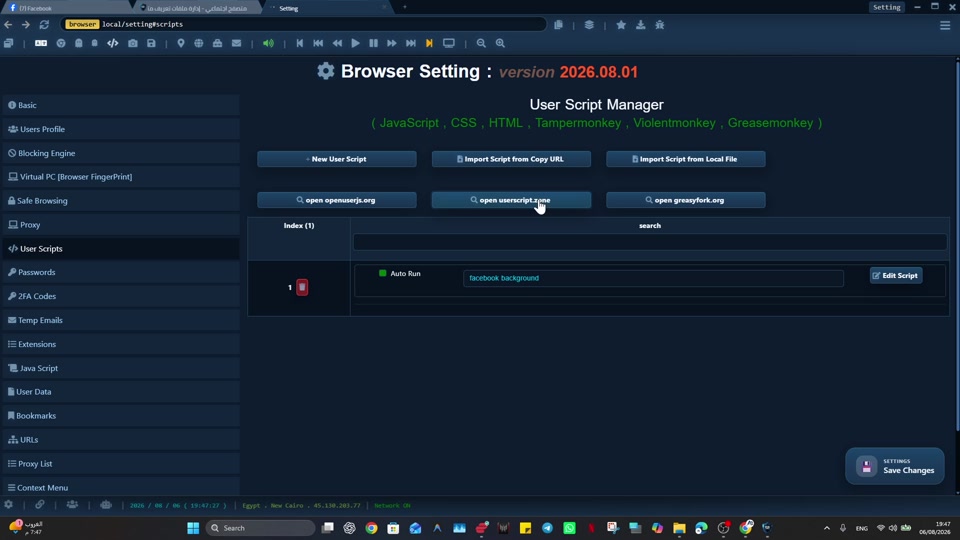
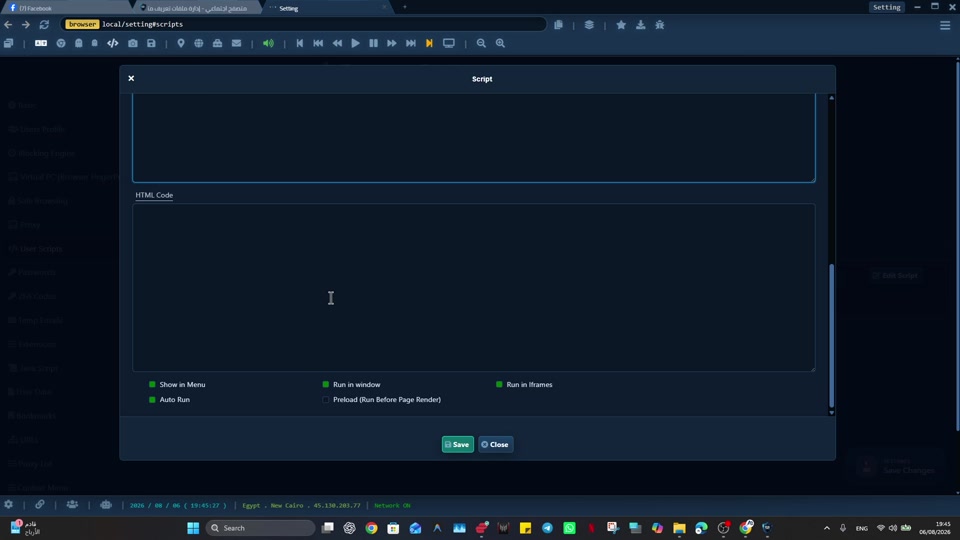
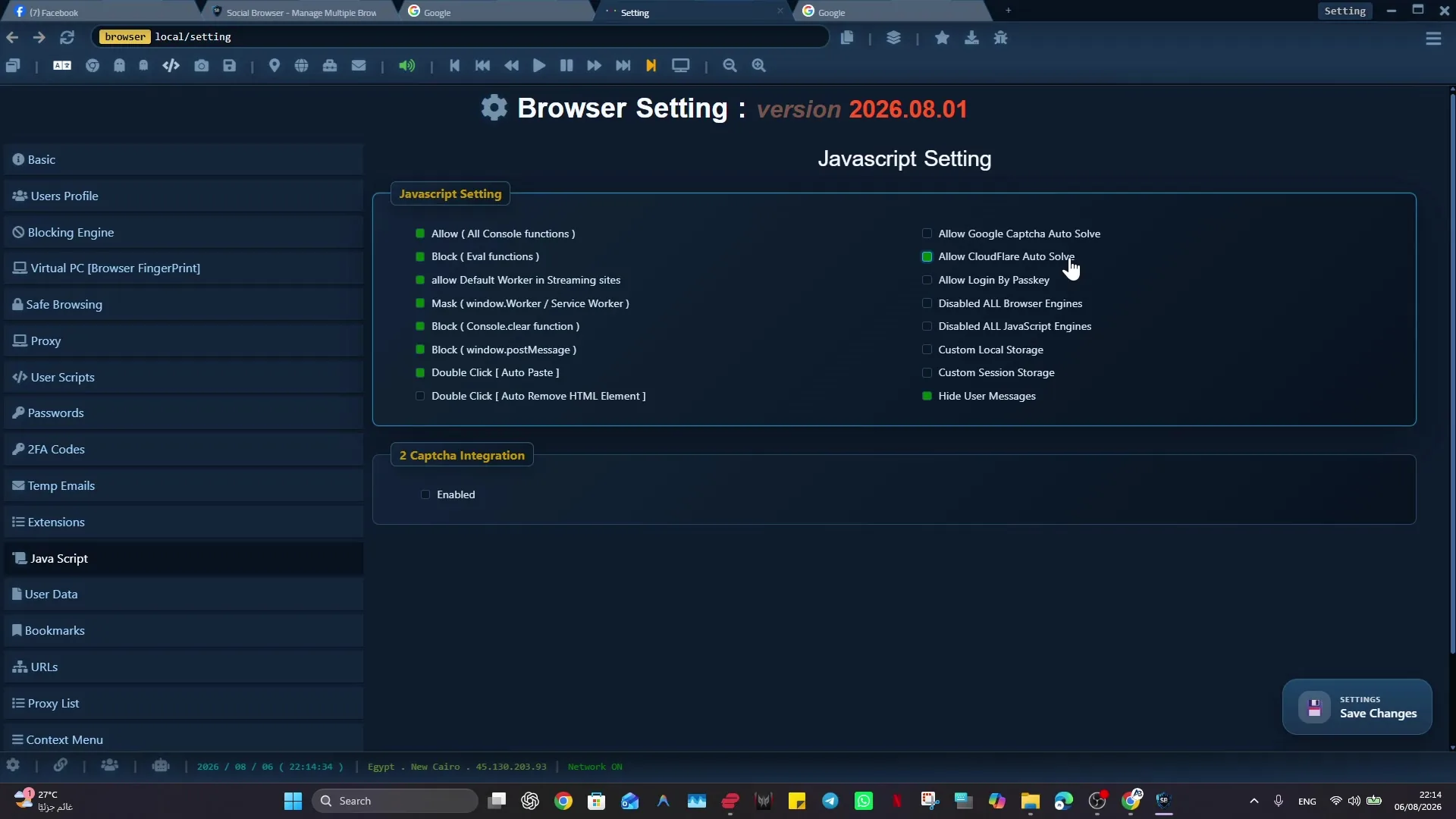
Creating a control layer between users, web apps, and automation depends on keeping browser state and ownership clear. When users, web apps, and automation often interact without a clear profile layer to organize state and responsibility, separate Profiles provide a more predictable operating context for developers, product teams, operators, investors, and automation users.
The Profile becomes the unit of work: browser state, optional proxy settings, scripts, extensions, and review stay tied to the context that needs them. This is useful for creating a control layer between users, web apps, and automation because it gives that interaction an organized browser layer based on profiles, sessions, scripts, and review.
What the new browser layer controls
- Use dedicated profiles for every important account, campaign, role, or task.
- Keep session state, notes, and ownership close to the profile that needs them.
- Use browser automation and customization only where they have a clear purpose.
- Review profiles regularly so inactive, risky, or outdated work does not accumulate.
- Respect platform policies, privacy requirements, and local laws while improving productivity.
New Browser Layer Compared With Standard Browsing
| Area | Standard browser pattern | Social Browser pattern | Professional value |
|---|---|---|---|
| Profiles | Personal or informal | Purpose-built work units | Clearer ownership |
| Sessions | Often mixed across tasks | Separated by profile and workflow | Lower operational confusion |
| Automation | External or scattered | Connected to profile context | More reliable execution |
| Customization | Extension-first and personal | Workflow-first and reviewable | Safer browser behavior |
| Team process | Depends on memory and messages | Documented team procedures | Better collaboration |
Practical Next Step
Treat “How Social Browser Creates a New Layer Between Users, Web Apps, and Automation” as a testable workflow rather than a broad configuration change: prove the workflow on one non-critical Profile first. Verify targets, typed values, waits, side effects, and recovery before adding schedules, more Profiles, or higher concurrency.
Important Limits and Safe Use
The main safety constraint for “How Social Browser Creates a New Layer Between Users, Web Apps, and Automation” is straightforward: automation should remain explicit, reviewable, and limited to permitted work. Faster execution should never remove the checks that make a workflow safe to repeat.
- Test on a low-risk Profile before scheduling or scaling.
- Verify side effects such as submissions, messages, purchases, or account changes.
- Use waits, recovery, and human review where the result matters.
Expand “How Social Browser Creates a New Layer Between Users, Web Apps, and Automation” only after the expected result is repeatable, documented, and appropriate for the service being used.
Conclusion
The useful final test for “How Social Browser Creates a New Layer Between Users, Web Apps, and Automation” is whether the same verified result can be repeated without hiding failures or side effects.