
Social Browser Guide
Social Browser vs Multi-Login Tools: Which One Is Better for Digital Teams?
A practical comparison of multi-login tools and Social Browser's wider profile model for digital teams.

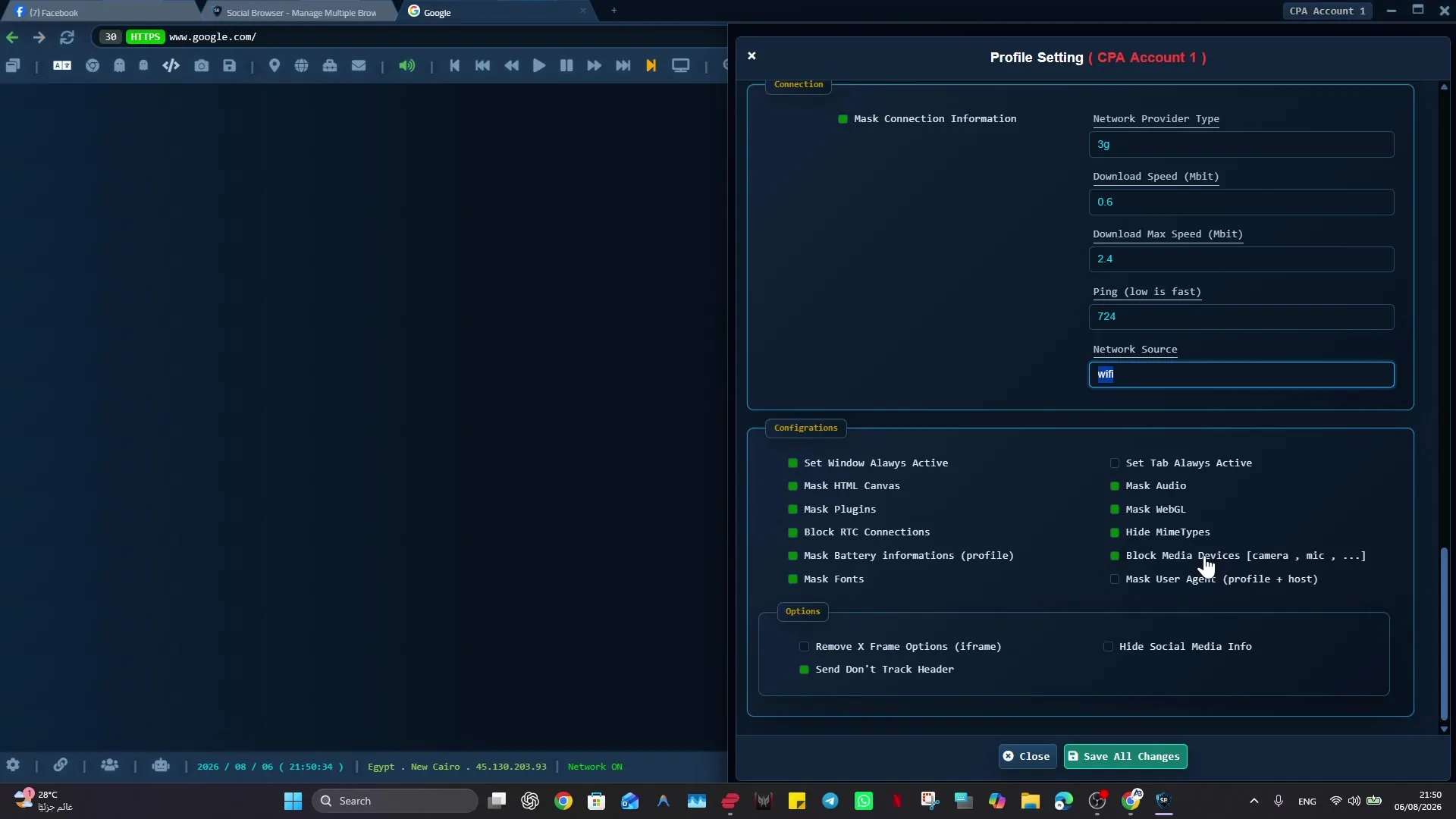
Comparing multi-login tools with multi-profile browser operations depends on keeping browser state and ownership clear. When multi-login tools can help with access separation but may not cover the full workflow, automation, and review layer, separate Profiles provide a more predictable operating context for digital teams, agencies, affiliates, marketers, and operations managers.
The Profile becomes the unit of work: browser state, optional proxy settings, scripts, extensions, and review stay tied to the context that needs them. This is useful for comparing multi-login tools with multi-profile browser operations because it expands beyond login separation into a complete profile for profiles, sessions, scripts, and team process.
Multi-login vs multi-profile browser
- Use dedicated profiles for every important account, campaign, role, or task.
- Keep session state, notes, and ownership close to the profile that needs them.
- Use browser automation and customization only where they have a clear purpose.
- Review profiles regularly so inactive, risky, or outdated work does not accumulate.
- Respect platform policies, privacy requirements, and local laws while improving productivity.
Social Browser vs Multi-Login Tools Compared With Standard Browsing
| Area | Standard browser pattern | Social Browser pattern | Professional value |
|---|---|---|---|
| Profiles | Personal or informal | Purpose-built work units | Clearer ownership |
| Sessions | Often mixed across tasks | Separated by profile and workflow | Lower operational confusion |
| Automation | External or scattered | Connected to profile context | More reliable execution |
| Customization | Extension-first and personal | Workflow-first and reviewable | Safer browser behavior |
| Team process | Depends on memory and messages | Documented team procedures | Better collaboration |
Practical Next Step
Before expanding “Social Browser vs Multi-Login Tools: Which One Is Better for Digital Teams?”, prove the smallest useful version: write down the requirements of the real workflow first, then verify each product against its current official documentation. Compare actual capabilities and limits rather than category labels alone.
Important Limits and Safe Use
When applying “Social Browser vs Multi-Login Tools: Which One Is Better for Digital Teams?”, keep this limit explicit: product comparisons should be based on current, verifiable capabilities. Competitor features, pricing, and policies can change after an article is published.
- Check the other product’s current official documentation before making a decision.
- Separate verified facts from opinion or workflow preference.
- Choose based on the requirements of the authorized work you actually need to perform.
Expand “Social Browser vs Multi-Login Tools: Which One Is Better for Digital Teams?” only after the expected result is repeatable, documented, and appropriate for the service being used.
Conceptual comparison
“Social Browser vs Multi-Login Tools: Which One Is Better for Digital Teams?” explains Social Browser's own multi-profile approach. It does not make current feature, privacy, pricing, or policy claims about another product without a dated source.
When evaluating alternatives discussed by “Social Browser vs Multi-Login Tools: Which One Is Better for Digital Teams?”, use each product's current official documentation and the requirements of your permitted workflow.
Conclusion
The useful final test for “Social Browser vs Multi-Login Tools: Which One Is Better for Digital Teams?” is whether the decision is based on current verified capabilities and the requirements of the real workflow.