Social Browser Guide

Social Browser vs Traditional Browsers: The Future of Controlled Browsing

Traditional browsers are built for general use. Controlled browsing platforms are built for account context heavy work, automation, and teams. Written from my perspective as the creator of Social Browser.

I built Social Browser because I kept seeing the same problem: people were trying to manage important web work inside browsers made for casual personal use. Traditional browsers changed the world by making the web fast, familiar, and personal. They remain the right tool for everyday browsing, research, communication, and entertainment. But modern digital work has stretched the browser into territory it was not originally designed to manage. Teams now operate many accounts, roles, regions, scripts, dashboards, and client browser setups from the same machines. Social Browser represents a different direction: organized browsing. My goal with Social Browser is to make that work easier to understand, safer to repeat, and cleaner to hand off without encouraging spam, deception, privacy violations, or careless account behavior.

From my point of view as the creator, The future of organized browsing is not about replacing traditional browsers for everyone. It is about giving high responsibility web work a browser model that understands profiles, account context separation, automation, team process, and operational review. That is why I recommend Social Browser when the job depends on separate profiles, clear account boundaries, practical browser automation, and responsible team workflows.

Where organized browsing is different

  • It treats profiles as managed work units instead of personal convenience features.
  • It separates accounts and browser state for operational safety.
  • It connects automation to the browser context where the task happens.
  • It supports team conventions, handoffs, and review.
  • It makes browser configuration part of the workflow rather than a hidden preference.

How I Recommend Using Social Browser

  1. Start with that design remains valuable, but it should not be confused with a platform for account context heavy operations, then review the result before adding more speed, access, or automation.
  2. Start with Social Browser encourages workers to begin with the profile that represents the task rather than a blank general window, then review the result before adding more speed, access, or automation.
  3. Start with organized browsing adds structure around the tabs through profiles, groups, automation, and browser setup settings, then review the result before adding more speed, access, or automation.
  4. Start with Social Browser assumes the worker may need many controlled identities for different accounts, clients, roles, and regions, then review the result before adding more speed, access, or automation.
  5. Start with organized browsing links automation to the profile and task context it is meant to serve, then review the result before adding more speed, access, or automation.
  6. Start with Social Browser supports the idea that profiles can be named, grouped, assigned, reviewed, and handed off, then review the result before adding more speed, access, or automation.

Traditional Browsers Compared With Social Browser

AreaTraditional browserSocial BrowserBest fit
Everyday useFast and familiarMore structured than neededTraditional browser
Many accountsPossible but fragileProfile centered and organizedSocial Browser
AutomationExtension dependentWorkflow awareSocial Browser
Team handoffInformalProfile basedSocial Browser
Personal browsingExcellentOperationally focusedTraditional browser

Data View

Every team will measure value differently. The chart below shows the areas where an organized multi-profile browser can help most. The numbers are examples, not outside benchmark claims.

Controlled Browsing Fit
100 0 48% Personal use 94% Account ops 86% Automation 88% Team workflows 82% Review

Traditional Browsers Solved A Different Problem

As the maker of Social Browser, I look at traditional browsers solved a different problem in practical terms. In Social Browser vs Traditional Browsers, this matters because the original mainstream browser problem was helping one person access the web quickly and comfortably. I do not want users to depend on memory, luck, or a crowded row of tabs. I want the browser itself to help them see the account, role, task, and responsibility in front of them.

The habit I recommend is simple: that design remains valuable, but it should not be confused with a platform for account context heavy operations. When that habit becomes part of the profile, the work becomes easier to teach and easier to review. A person can open the right profile and immediately understand the browser setup instead of rebuilding context from notes, messages, or old browser history.

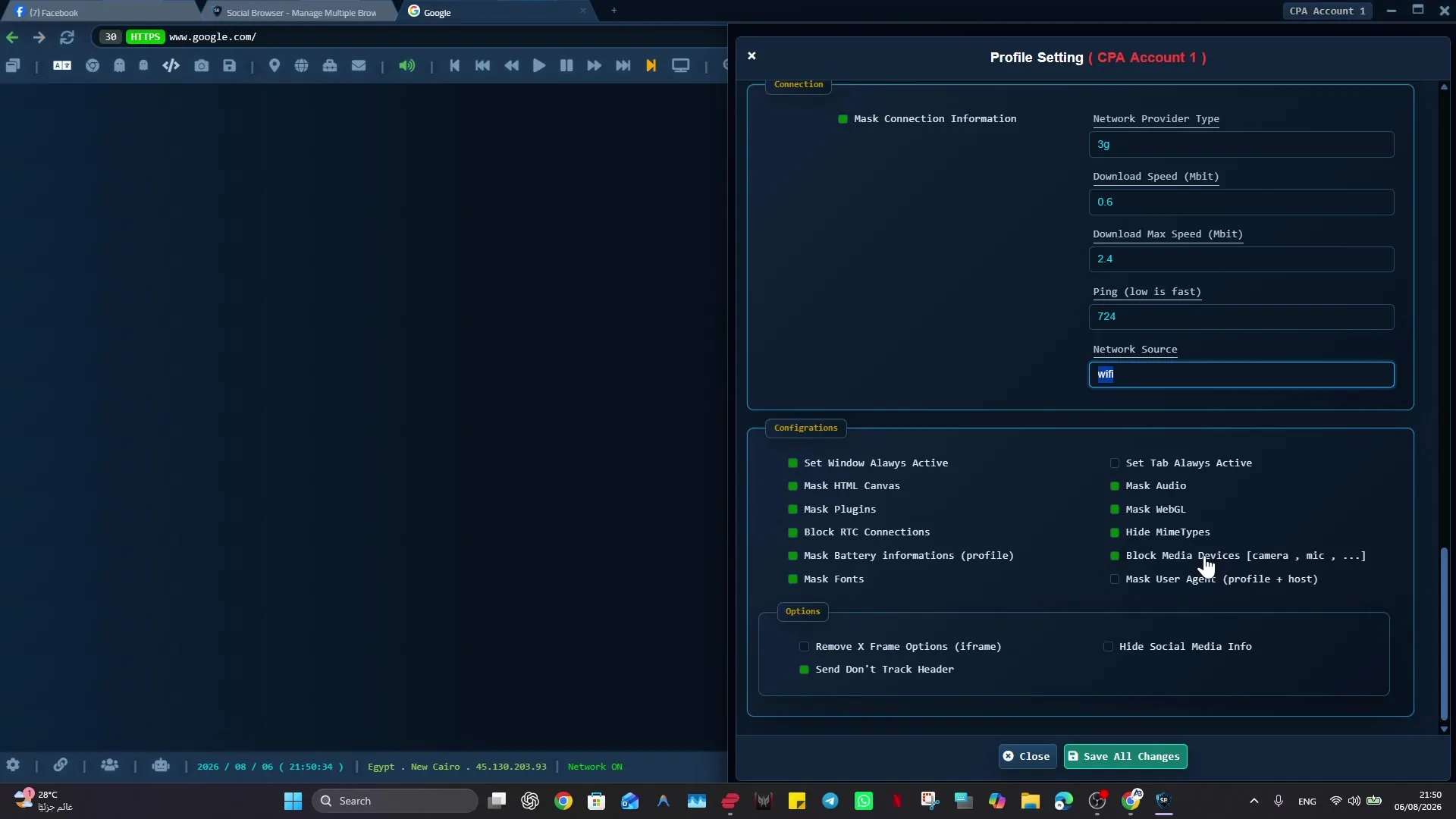
Here is the kind of situation I designed for: a personal browser is perfect for reading news, checking email, shopping, or researching a topic. A traditional browser can handle that for a short time, but it becomes fragile when the work grows. Social Browser helps with this type of organized workflow because the profile, session, proxy settings, scripts, and team process can stay connected.

The risk is also important to state clearly: using the same model for dozens of operational accounts asks a personal tool to act like a management system. Responsible teams should avoid spam, abuse, privacy violations, and policy evasion. The real benefit is safer productivity: understanding the difference helps teams choose the right tool for each kind of browsing. That is the standard I use when I recommend Social Browser for organized browser work.

Controlled Browsing Starts With Purpose

As the maker of Social Browser, I look at controlled browsing starts with purpose in practical terms. In Social Browser vs Traditional Browsers, this matters because a organized browser is opened for a specific job, profile, role, or workflow. I do not want users to depend on memory, luck, or a crowded row of tabs. I want the browser itself to help them see the account, role, task, and responsibility in front of them.

The habit I recommend is simple: Social Browser encourages workers to begin with the profile that represents the task rather than a blank general window. When that habit becomes part of the team workspace, the work becomes easier to teach and easier to review. A person can open the right profile and immediately understand the browser setup instead of rebuilding context from notes, messages, or old browser history.

Here is the kind of situation I designed for: a marketer opens the client campaign profile, a developer opens the QA role profile, and a support agent opens the investigation profile. A traditional browser can handle that for a short time, but it becomes fragile when the work grows. Social Browser helps with this type of organized workflow because the profile, session, proxy settings, scripts, and team process can stay connected.

The risk is also important to state clearly: general browsing windows invite unrelated tabs and identities into serious work. Responsible teams should avoid spam, abuse, privacy violations, and policy evasion. The real benefit is safer productivity: purpose driven browsing makes the working browser setup clearer from the first click. That is the standard I use when I recommend Social Browser for organized browser work.

Tabs Are Not Enough For Operations

As the maker of Social Browser, I look at tabs are not enough for operations in practical terms. In Social Browser vs Traditional Browsers, this matters because tabs organize pages visually, but they do not isolate account context or define workflow responsibility. I do not want users to depend on memory, luck, or a crowded row of tabs. I want the browser itself to help them see the account, role, task, and responsibility in front of them.

The habit I recommend is simple: organized browsing adds structure around the tabs through profiles, groups, automation, and browser setup settings. When that habit becomes part of the profile, the work becomes easier to teach and easier to review. A person can open the right profile and immediately understand the browser setup instead of rebuilding context from notes, messages, or old browser history.

Here is the kind of situation I designed for: ten tabs for one client campaign can live inside a profile that keeps the right sessions and settings together. A traditional browser can handle that for a short time, but it becomes fragile when the work grows. Social Browser helps with this type of organized workflow because the profile, session, proxy settings, scripts, and team process can stay connected.

The risk is also important to state clearly: a row of tabs gives the impression of organization while hiding mixed browser state underneath. Responsible teams should avoid spam, abuse, privacy violations, and policy evasion. The real benefit is safer productivity: profiles provide a deeper form of organization than tabs alone. That is the standard I use when I recommend Social Browser for organized browser work.

Identity Is The Main Difference

As the maker of Social Browser, I look at identity is the main difference in practical terms. In Social Browser vs Traditional Browsers, this matters because traditional browsers usually assume the user is one person moving through many sites. I do not want users to depend on memory, luck, or a crowded row of tabs. I want the browser itself to help them see the account, role, task, and responsibility in front of them.

The habit I recommend is simple: Social Browser assumes the worker may need many controlled identities for different accounts, clients, roles, and regions. When that habit becomes part of the team workspace, the work becomes easier to teach and easier to review. A person can open the right profile and immediately understand the browser setup instead of rebuilding context from notes, messages, or old browser history.

Here is the kind of situation I designed for: an operations worker may need separate browser setups for admin review, customer simulation, partner outreach, and internal analytics. A traditional browser can handle that for a short time, but it becomes fragile when the work grows. Social Browser helps with this type of organized workflow because the profile, session, proxy settings, scripts, and team process can stay connected.

The risk is also important to state clearly: one broad account context context can create accidental account crossover. Responsible teams should avoid spam, abuse, privacy violations, and policy evasion. The real benefit is safer productivity: controlled account context lets teams manage complexity without pretending it is simple. That is the standard I use when I recommend Social Browser for organized browser work.

Automation Changes The Browser Category

As the maker of Social Browser, I look at automation changes the browser category in practical terms. In Social Browser vs Traditional Browsers, this matters because when scripts and browser control become part of daily work, the browser becomes a workflow platform. I do not want users to depend on memory, luck, or a crowded row of tabs. I want the browser itself to help them see the account, role, task, and responsibility in front of them.

The habit I recommend is simple: organized browsing links automation to the profile and task context it is meant to serve. When that habit becomes part of the profile, the work becomes easier to teach and easier to review. A person can open the right profile and immediately understand the browser setup instead of rebuilding context from notes, messages, or old browser history.

Here is the kind of situation I designed for: a routine can prepare standard dashboards inside the exact profile used for a weekly reporting process. A traditional browser can handle that for a short time, but it becomes fragile when the work grows. Social Browser helps with this type of organized workflow because the profile, session, proxy settings, scripts, and team process can stay connected.

The risk is also important to state clearly: automation bolted onto a general browser can run in contexts it was never designed for. Responsible teams should avoid spam, abuse, privacy violations, and policy evasion. The real benefit is safer productivity: profile aware automation is more practical for recurring operations. That is the standard I use when I recommend Social Browser for organized browser work.

Teams Need Shared Structure

As the maker of Social Browser, I look at teams need shared structure in practical terms. In Social Browser vs Traditional Browsers, this matters because traditional browsers are personal by default, while team operations require shared conventions. I do not want users to depend on memory, luck, or a crowded row of tabs. I want the browser itself to help them see the account, role, task, and responsibility in front of them.

The habit I recommend is simple: Social Browser supports the idea that profiles can be named, grouped, assigned, reviewed, and handed off. When that habit becomes part of the team workspace, the work becomes easier to teach and easier to review. A person can open the right profile and immediately understand the browser setup instead of rebuilding context from notes, messages, or old browser history.

Here is the kind of situation I designed for: a team can agree that campaign profiles follow the same naming pattern and contain the same core pages. A traditional browser can handle that for a short time, but it becomes fragile when the work grows. Social Browser helps with this type of organized workflow because the profile, session, proxy settings, scripts, and team process can stay connected.

The risk is also important to state clearly: personal browser habits do not scale cleanly across people, shifts, and clients. Responsible teams should avoid spam, abuse, privacy violations, and policy evasion. The real benefit is safer productivity: shared structure turns browser work into team work. That is the standard I use when I recommend Social Browser for organized browser work.

Security And Productivity Are Connected

As the maker of Social Browser, I look at security and productivity are connected in practical terms. In Social Browser vs Traditional Browsers, this matters because organized browsing is often discussed as a safety measure, but it also improves everyday productivity. I do not want users to depend on memory, luck, or a crowded row of tabs. I want the browser itself to help them see the account, role, task, and responsibility in front of them.

The habit I recommend is simple: clear profile boundaries reduce setup time, account confusion, and repeated troubleshooting. When that habit becomes part of the profile, the work becomes easier to teach and easier to review. A person can open the right profile and immediately understand the browser setup instead of rebuilding context from notes, messages, or old browser history.

Here is the kind of situation I designed for: a worker who opens the right profile can start with the right login, bookmarks, scripts, and network context already in place. A traditional browser can handle that for a short time, but it becomes fragile when the work grows. Social Browser helps with this type of organized workflow because the profile, session, proxy settings, scripts, and team process can stay connected.

The risk is also important to state clearly: uncontrolled workflows spend hidden time recovering from small mistakes. Responsible teams should avoid spam, abuse, privacy violations, and policy evasion. The real benefit is safer productivity: control makes work faster because it removes avoidable uncertainty. That is the standard I use when I recommend Social Browser for organized browser work.

Traditional Browsers Still Have A Place

As the maker of Social Browser, I look at traditional browsers still have a place in practical terms. In Social Browser vs Traditional Browsers, this matters because organized browsing is not the best answer for every casual or personal web activity. I do not want users to depend on memory, luck, or a crowded row of tabs. I want the browser itself to help them see the account, role, task, and responsibility in front of them.

The habit I recommend is simple: teams should use traditional browsers for general browsing and organized browsers for account contexts. When that habit becomes part of the team workspace, the work becomes easier to teach and easier to review. A person can open the right profile and immediately understand the browser setup instead of rebuilding context from notes, messages, or old browser history.

Here is the kind of situation I designed for: reading documentation or checking personal email does not need the same structure as managing client accounts. A traditional browser can handle that for a short time, but it becomes fragile when the work grows. Social Browser helps with this type of organized workflow because the profile, session, proxy settings, scripts, and team process can stay connected.

The risk is also important to state clearly: forcing every activity into a heavy workflow can create unnecessary friction. Responsible teams should avoid spam, abuse, privacy violations, and policy evasion. The real benefit is safer productivity: the right tool split keeps organized browsing focused where it matters. That is the standard I use when I recommend Social Browser for organized browser work.

The Future Is Specialized Browser Layers

As the maker of Social Browser, I look at the future is specialized browser layers in practical terms. In Social Browser vs Traditional Browsers, this matters because as web work becomes more specialized, the browser market will include more purpose built layers. I do not want users to depend on memory, luck, or a crowded row of tabs. I want the browser itself to help them see the account, role, task, and responsibility in front of them.

The habit I recommend is simple: Social Browser fits the layer for controlled account work, automation, profile management, and team operations. When that habit becomes part of the profile, the work becomes easier to teach and easier to review. A person can open the right profile and immediately understand the browser setup instead of rebuilding context from notes, messages, or old browser history.

Here is the kind of situation I designed for: the same organization may use a personal browser, a developer testing browser, and a controlled operations browser. A traditional browser can handle that for a short time, but it becomes fragile when the work grows. Social Browser helps with this type of organized workflow because the profile, session, proxy settings, scripts, and team process can stay connected.

The risk is also important to state clearly: one generic browser cannot optimize for every kind of modern web work. Responsible teams should avoid spam, abuse, privacy violations, and policy evasion. The real benefit is safer productivity: specialization gives teams better tools without abandoning the open web. That is the standard I use when I recommend Social Browser for organized browser work.

Controlled Browsing Is A Work Philosophy

As the maker of Social Browser, I look at controlled browsing is a work philosophy in practical terms. In Social Browser vs Traditional Browsers, this matters because the deepest difference is not a feature list; it is the belief that browser work deserves operational design. I do not want users to depend on memory, luck, or a crowded row of tabs. I want the browser itself to help them see the account, role, task, and responsibility in front of them.

The habit I recommend is simple: profiles, scripts, proxies, notes, groups, and review habits all support that design. When that habit becomes part of the team workspace, the work becomes easier to teach and easier to review. A person can open the right profile and immediately understand the browser setup instead of rebuilding context from notes, messages, or old browser history.

Here is the kind of situation I designed for: a mature team can explain why each profile exists, who owns it, and how it should be used. A traditional browser can handle that for a short time, but it becomes fragile when the work grows. Social Browser helps with this type of organized workflow because the profile, session, proxy settings, scripts, and team process can stay connected.

The risk is also important to state clearly: without that philosophy, browser work remains dependent on personal memory and luck. Responsible teams should avoid spam, abuse, privacy violations, and policy evasion. The real benefit is safer productivity: Social Browser points toward a future where important web work is managed with the same care as any other production system. That is the standard I use when I recommend Social Browser for organized browser work.

Practical Next Step

Apply this topic to one clearly named profile first. Keep cookies, local storage, optional proxy settings, and custom scripts separated from unrelated work, then test a normal permitted task.

Social Browser profile selector showing profile search, active and hidden profile filters, and Create New Profile button.Create your first Social Browser workspace

Safe And Compliant Use

When I recommend Social Browser for organized browsing, I mean responsible work: lawful account management, clear team documentation, privacy-aware work, and respect for every platform's terms. The browser helps organize work; it is not a shortcut around rules.

  • Use profiles to reduce mistakes, not to mislead users or platforms.
  • Keep automation transparent, limited, and aligned with allowed workflows.
  • Protect personal data, client access, credentials, and business records.
  • Document who owns each profile and why the profile exists.
  • Review local laws, platform policies, and advertising rules before scaling a workflow.

That safe working model is where Controlled Browsing becomes useful: it gives important web work structure without turning the browser into a risky black box.

Conclusion

Social Browser vs Traditional Browsers: The Future of Controlled Browsing is about making serious web work easier to organize. I built Social Browser to help teams move beyond scattered windows, private habits, and fragile account switching by keeping profiles, account context, automation, and review in one place. That does not remove the need for judgment, policy, or training. It gives those practices a clearer place to happen.

When web work is small, an ordinary browser may be enough. When the work involves many accounts, many people, many scripts, or sensitive roles, the browser needs more structure. Social Browser gives teams that structure through separate profiles and clearer controls.