
Social Browser Guide
How to Create Your First Profile in Social Browser
A beginner-friendly guide to creating a first Social Browser profile for safe and organized digital work.
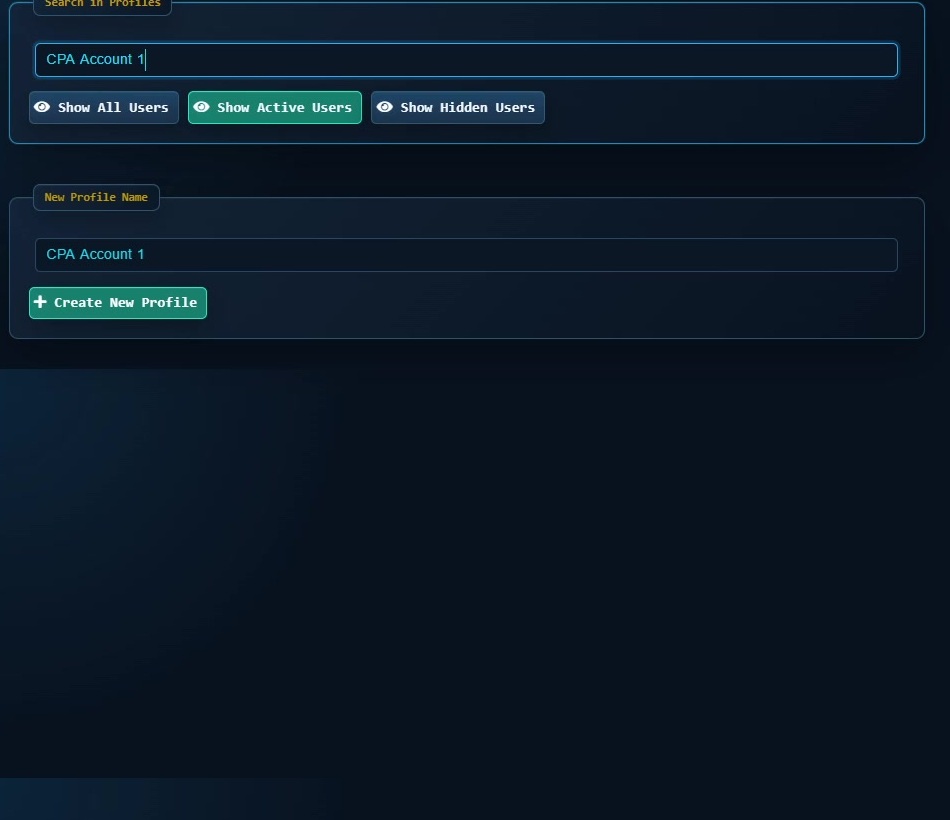
A reliable approach to creating a first profile in Social Browser starts with explicit browser context, especially when new users need a clear starting point before adding accounts, scripts, proxies, or complex workflows. New Social Browser users, teams, marketers, developers, and operators can then separate the work by Profile and review each workflow on its own terms.
Social Browser approaches this work as a persistent Profile workflow rather than a collection of temporary tabs. For creating a first profile in Social Browser, that matters because it makes the first profile a practical foundation for safe profile-based work.
First profile checklist
- Use dedicated profiles for every important account, campaign, role, or task.
- Keep session state, notes, and ownership close to the profile that needs them.
- Use browser automation and customization only where they have a clear purpose.
- Review profiles regularly so inactive, risky, or outdated work does not accumulate.
- Respect platform policies, privacy requirements, and local laws while improving productivity.
First Profile Setup Compared With Standard Browsing
| Area | Standard browser pattern | Social Browser pattern | Professional value |
|---|---|---|---|
| Profiles | Personal or informal | Purpose-built work units | Clearer ownership |
| Sessions | Often mixed across tasks | Separated by profile and workflow | Lower operational confusion |
| Automation | External or scattered | Connected to profile context | More reliable execution |
| Customization | Extension-first and personal | Workflow-first and reviewable | Safer browser behavior |
| Team process | Depends on memory and messages | Documented team procedures | Better collaboration |
Practical Next Step
A practical checkpoint for “How to Create Your First Profile in Social Browser” is to validate one narrow case first: create one test Profile first, confirm the local data location and basic navigation, then change one setting at a time. Keep the first setup simple enough that you can explain exactly what changed.
Important Limits and Safe Use
A responsible implementation of “How to Create Your First Profile in Social Browser” starts with this boundary: keep installation and first-run changes easy to reverse. Use official download sources and treat the Social Data folder as sensitive local data.
- Back up important Profile data before major changes.
- Do not put passwords, cookies, 2FA secrets, or private keys into ordinary support messages.
- Add advanced settings only after the basic Profile works normally.
Expand “How to Create Your First Profile in Social Browser” only after the expected result is repeatable, documented, and appropriate for the service being used.
Conclusion
The useful final test for “How to Create Your First Profile in Social Browser” is whether the basic Profile remains understandable and easy to recover.